Request An AppointmentRequest An AppointmentRequest An AppointmentRequest An AppointmentRequest An Appointment







What Is Keratoconus? Early Signs and When You May Need Scleral Lenses in Providence
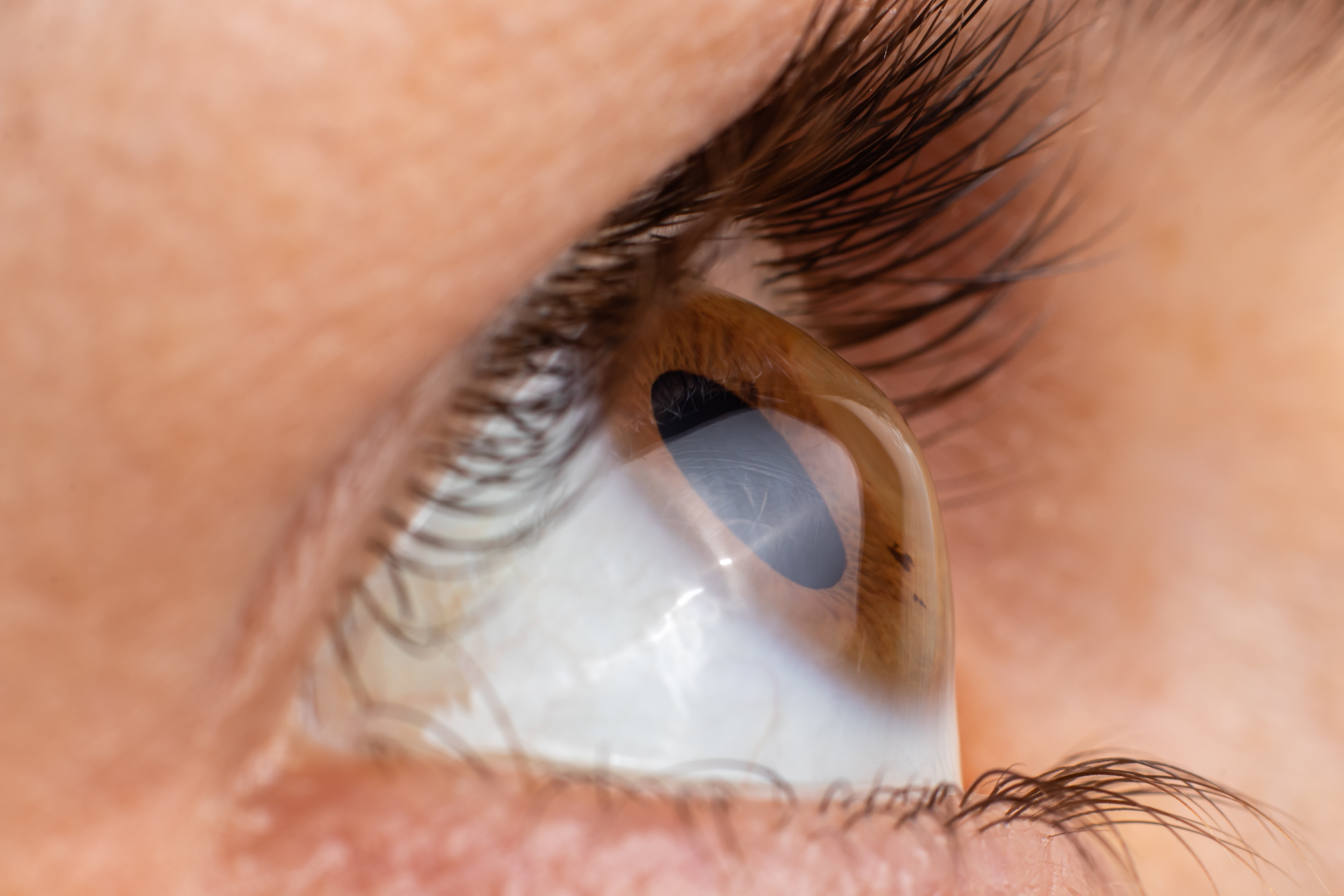
Keratoconus is a progressive eye condition that affects the cornea, the clear front surface of the eye. Instead of keeping a smooth, round shape, the cornea gradually thins and begins to bulge outward into a cone-like shape. This change can distort how light enters the eye, leading to blurry vision, glare, halos, and frequent prescription changes.
For patients in Providence, identifying keratoconus early is important because the condition can worsen over time. Some people first notice that their glasses no longer seem strong enough, while others struggle with night driving, screen use, or vision that feels distorted even with an updated prescription.
Early Signs of Keratoconus
Keratoconus often starts subtly, which is why routine eye exams matter. In the early stages, symptoms can look similar to general vision changes or astigmatism. However, when vision keeps shifting or becomes harder to correct with standard glasses or soft contact lenses, a more detailed eye evaluation may be needed.
Common signs of keratoconus can include:
- Blurry or distorted vision that does not fully improve with glasses
- Frequent changes in your glasses or contact lens prescription
- Increased glare, halos, or light sensitivity
- Difficulty seeing clearly at night
- Eye strain, headaches, or squinting
- Trouble wearing standard soft contact lenses comfortably
If these symptoms sound familiar, your eye doctor can perform advanced testing to evaluate the shape and health of your cornea.
Why Keratoconus Needs A Detailed Diagnosis
A standard vision test can show that your prescription has changed, but keratoconus requires a closer look at the cornea itself. Eye doctors use specialized imaging and measurements to detect irregular curvature, thinning, and other corneal changes that may not be visible during a basic screening.
Early diagnosis allows your optometrist to monitor progression and recommend the right vision solution. In some cases, patients may still do well with glasses or soft contact lenses. As keratoconus becomes more advanced, however, standard lenses may not provide the clarity or stability needed for daily life.
When Scleral Lenses May Help
Scleral lenses are a specialty contact lens option often recommended for keratoconus. Unlike traditional contact lenses that sit directly on the cornea, scleral lenses vault over the irregular corneal surface and rest on the white part of the eye. This creates a smooth optical surface that can improve vision and comfort.
For many patients with keratoconus, scleral lenses can help when glasses or regular contacts no longer provide crisp, reliable vision. They can also be helpful for people who experience discomfort with standard lenses due to corneal irregularity.
What To Expect During A Scleral Lens Fitting
A scleral lens fitting is more detailed than a routine contact lens exam. Your eye doctor will carefully measure your eyes, evaluate the cornea, and design lenses that fit your unique eye shape. The goal is to improve visual clarity while keeping the lens stable and comfortable throughout the day.
Because keratoconus can change over time, ongoing follow-up is important. Regular visits help ensure your lenses continue to fit properly and that your corneal health is being monitored.
Take the next step toward sharper, more comfortable vision by scheduling your keratoconus evaluation and scleral lens consultation with Eyediology Vision in Providence, RI, at (401) 903-4100.


Interested in our
Services?
Request appointment with this form to schedule a time with our professional staff!

- Monday8:30 AM - 5:00 PM
- TuesdayClosed
- Wednesday8:30 AM - 5:00 PM
- Thursday8:30 AM - 5:00 PM
- Friday8:30 AM - 5:00 PM
- SaturdayBy Appointment Only
- SundayClosed
Powered by: 