Request An AppointmentRequest An AppointmentRequest An AppointmentRequest An AppointmentRequest An Appointment








Ortho-K vs. Atropine Eye Drops: Comparing Myopia Management Treatments for Children
When a child's prescription becomes stronger each year, new glasses can sharpen vision but do not necessarily slow worsening nearsightedness. Myopia, or nearsightedness, often progresses during childhood as the eye grows longer. Higher levels of myopia are associated with greater risks of certain eye conditions later in life. Ortho-K and low-dose atropine eye drops are two approaches to childhood myopia management. At Eyediology Vision in Providence, RI, we help families understand how these treatments differ.
How Ortho-K Works
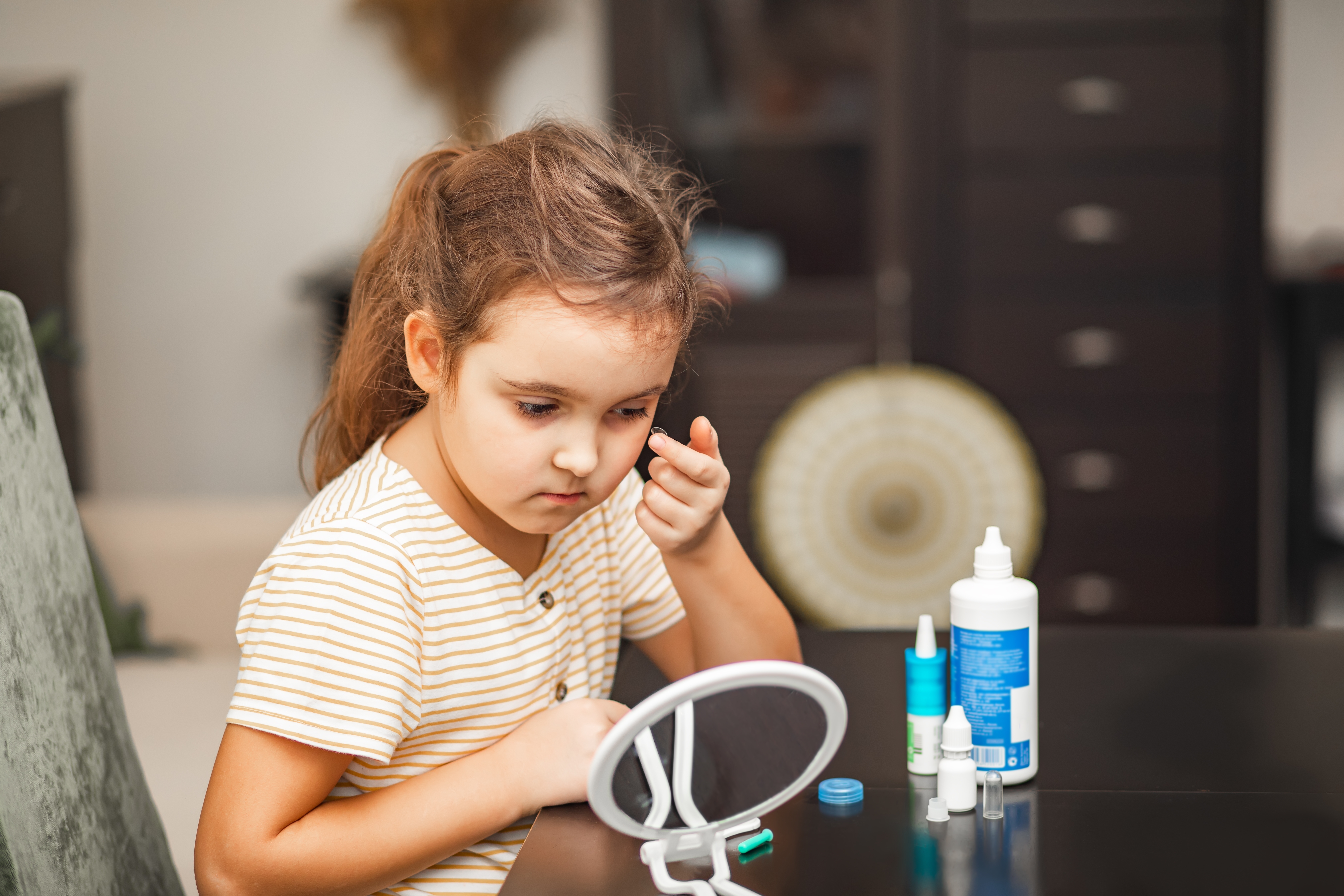
Orthokeratology, commonly called Ortho-K, uses specially fitted rigid gas-permeable contact lenses worn while sleeping. The lenses temporarily reshape the cornea, allowing many children to see clearly during the day without glasses or contact lenses. Research also suggests Ortho-K can slow the eye growth associated with myopia progression.
Because the reshaping effect is temporary, children need to wear the lenses as prescribed to maintain their daytime vision. Ortho-K also requires careful fitting, regular follow-up visits, and consistent lens hygiene.
How Low-Dose Atropine Eye Drops Work
Low-dose atropine eye drops offer a convenient, non-invasive approach to managing childhood myopia. These prescription drops are typically applied once daily, usually before bedtime, and certain concentrations have been shown to help slow the progression of nearsightedness in some children.
Unlike Ortho-K, atropine does not reshape the cornea, so children continue wearing glasses or contact lenses for clear vision. Treatment can be particularly appealing for families seeking an option that does not involve overnight contact lens wear.
While results vary depending on the concentration and individual response, low-dose atropine can be a useful part of a personalized myopia management plan. Regular follow-up appointments allow us to monitor progress, check for potential side effects, and make adjustments when needed.
Ortho-K vs. Atropine: Key Differences
Both options require consistency, but their everyday demands are different:
· Treatment Routine: Ortho-K involves inserting and removing specialty lenses, while atropine involves administering prescribed eye drops.
· Daytime Vision: Ortho-K may reduce the need for daytime glasses, while atropine does not replace vision correction.
· Practical Considerations: Ortho-K requires a suitable prescription, healthy corneas, and careful lens handling. Atropine may suit children who prefer not to wear overnight lenses.
· Risks: Ortho-K carries contact lens-related infection risks, while atropine can cause light sensitivity or focusing difficulties.
· Monitoring: Both approaches require follow-up appointments to evaluate myopia progression and adjust treatment when needed.
Choosing the Right Myopia Management Treatment
The best approach depends on your child's age, prescription, rate of myopia progression, eye health, and ability to follow a daily routine. During an evaluation, we review these factors and discuss expected benefits, limitations, and risks. Some children may be candidates for other myopia management options or a carefully supervised combination of treatments.
Neither Ortho-K nor atropine permanently cures myopia. Our goal is to develop a manageable treatment plan and monitor your child's vision as they grow.
To explore Ortho-K or atropine eye drops for your child, contact Eyediology Vision in Providence, RI, at (401) 903-4100 to schedule a myopia management evaluation.


Interested in our
Services?
Request appointment with this form to schedule a time with our professional staff!

- Monday8:30 AM - 5:00 PM
- TuesdayClosed
- Wednesday8:30 AM - 5:00 PM
- Thursday8:30 AM - 5:00 PM
- Friday8:30 AM - 5:00 PM
- SaturdayBy Appointment Only
- SundayClosed
Powered by: 